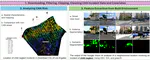
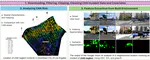
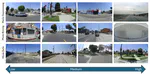
This research presentation examines the interplay between the built, natural, and social environments in predicting the risk of child abuse and neglect (CAN). By utilizing machine learning algorithms, the study categorizes environmental determinants of child well-being into key dimensions including urban design, environmental contaminants, and neighborhood socioeconomic conditions.
The study demonstrates that characteristics of the physical and natural environment, such as neighborhood walkability, lighting, and greenness, interact with social vulnerabilities to shape family stress and safety. This work highlights the value of using computational models to translate physical streetscape characteristics into policy-relevant indicators for child maltreatment prevention.