Intimate Partner Violence & Brain Injury in U.S. Adults: Findings from the Medical Expenditure Panel Survey, 2021
Overview
National survey data show that adults who screen positive for intimate partner violence (IPV) experience more injuries and face greater medical costs than those who do not. Nine million screened IPV-positive using the HITS screening tool, and survivors were significantly more likely to utilize emergency rooms and hospitals for treating their injuries. Head and brain injuries were much more frequent among IPV survivors, and the average cost of treating these injuries was nearly twice as high compared to adults who did not screen positive for IPV.
Key Messages
- Approximately 9 million adults screened positive for IPV in 2021.
- IPV-positive adults had 3–4× higher ER and inpatient injury rates than IPV-negative adults.
- Adults who screened positive for IPV experienced more than twice the rate of brain-injury healthcare events compared to those who screened negative.
- Average per-capita spending on brain-injury care was about twice as high among IPV-positive adults.
- Inpatient TBI events are less common than ER events but far more costly; counts and spending are higher among IPV-positive adults.
- Poverty, social stressors, depression, and chronic conditions are significantly associated with IPV screen positivity.
Policy Relevance & Recommendations
Standardized protocols: Implement routine protocols so that IPV-positive patients with head injury are screened for brain injury, and patients with head injury are also screened for IPV.
Integrated referral pathways: Establish clear referral systems across emergency, primary, and specialty care so that when screening protocols are triggered, patients are automatically connected to appropriate follow-up services.
Follow-up for delayed symptoms: Incorporate temporal follow-up in care plans, recognizing that brain injury symptoms may appear or worsen over time.
Accessibility and appropriateness: Ensure screening and follow-up services are accessible, widely available, and tailored to the needs of IPV survivors.
Holistic screening: Extend screening beyond identifying head injury to include social and health needs that may magnify injury effects and increase vulnerability to future IPV.
Care coordination: Utilize medical social workers and interdisciplinary teams to integrate medical, psychosocial, and safety needs into a comprehensive care response.
Methodology
This brief analyzes nationally representative data from the Medical Expenditure Panel Survey—Household Component (MEPS-HC) 2021. Adults (age ≥18) were classified as IPV screen-positive if they scored ≥10 on the Hurt, Insult, Threaten, Scream (HITS) scale, a validated four-item screening tool for intimate partner violence.
Injury outcomes were identified using ICD-10-CM codes and Clinical Classifications Software Refined (CCSR) groupings from the MEPS Conditions file, with condition–event linkages used to assign emergency department (ER), inpatient, outpatient, office-based, home health, and prescription care to specific injuries. Brain injuries were defined as traumatic brain injury (ICD-10 S06) and other head injuries (S00–S09).
We estimated:
- Injury and brain-injury events per 100 adults,
- Per-capita spending (in 2021 USD), and
- Weighted counts of injury-linked encounters.
Analyses applied MEPS survey weights (PERWT21F) and accounted for the complex design (VARSTR, VARPSU). We used survey-weighted generalized linear models (svyglm) to generate adjusted comparisons standardized over age, sex, and race/ethnicity. Risk ratios were estimated for sociodemographic factors, health-related social needs, and chronic health conditions associated with IPV screen positivity.
Suggested Citation
Barboza-Salerno, G. E., Shockley McCarthy, K., Watson-Grace, A., Harrington, T., McCarthy, M. A., Peremen, N., & McLucas, O. (2025). Intimate Partner Violence & Brain Injury in U.S. Adults: Findings from the Medical Expenditure Panel Survey, 2021. Policy brief. The Ohio State University, ISSUE Lab (Investigating Spatial Structures in Urban Environments).
Download

Dr. Gia Elise Barboza-Salerno
Director
I am an interdisciplinary scholar whose research integrates law, public health, social work, and advanced statistics to study childhood adversity, violence-related harm, and neighborhood-level inequities. I lead the ISSUES Lab at Ohio State, translating spatial and legal analysis into policy and practice.
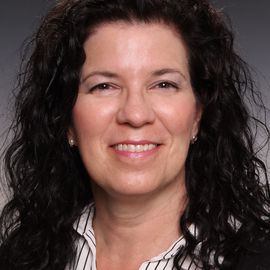
Dr. Karla Shockley McCarthy
Co-Director
Dr. Karla Shockley, PhD, LMSW, TRCC, FSW, is a Principal Investigator and Senior Research Consultant at the Ohio Colleges of Medicine Government Resource Center, where she leads applied health services and population health research. She uses a collaborative team approach to design and execute mixed methods studies, develops survey instrumentation, oversees qualitative and quantitative analyses, and employs various dissemination methods. Her work centers on translating complex data into actionable insights that inform public health.
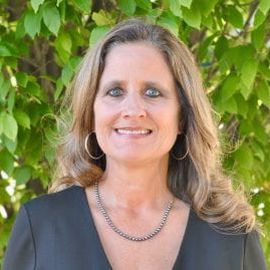
Dr. Amy Watson-Grace
PhD Candidate, Methodologist
Dr. Amy Watson-Grace is a PhD candidate and occupational therapist with advanced pediatric board certification and extensive clinical and leadership experience.
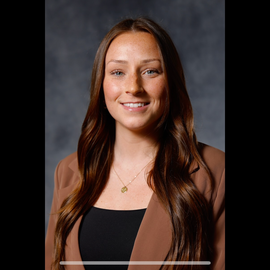
Taylor Harrington
PhD Candidate, Methodologist
Taylor Harrington, MS, is a PhD candidate in Public Health at The Ohio State University. To investigate how multi-level factors shape health behaviors and outcomes, she integrates advanced computational and geospatial methods, including machine learning (e.g., computer vision, random forests, structured topic modeling, text mining) and geospatial modeling (e.g., Bayesian spatial modeling, remote sensing). Through this work, she aims to generate actionable evidence to inform equitable health policy and community-level interventions.
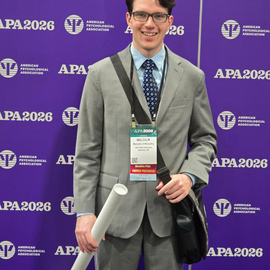
Malcolm McCarthy
Undergraduate Geospatial Analyst
Malcolm is a third-year psychology major with minors in GIS and ASL studies interested in pursuing a clinical psychology PhD.

Nicolette Peremen
Undergraduate Research Assistant and Writer
Nicolette Peremen is a third-year public health major, working as an undergraduate research assistant and writer.

Olivia McLucas
Undergraduate Research Assistant
Olivia McLucas is an undergraduate student at the Ohio State University. She is majoring in Statistics with a minor in American Sign Language on a pre-law track. Olivia is serving the team as photographer and videographer, while simultaneously working as a researcher assistant for the scholars.