Identifying place-specific mortality mechanisms by integrating cause-of-death narratives and neighborhood typologies using machine learning
Abstract
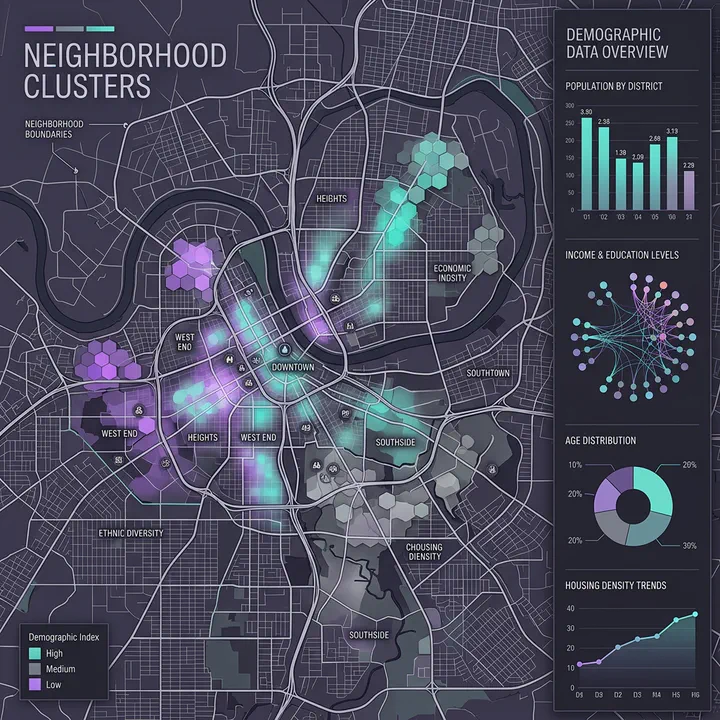
Neighborhood structural inequities predict mortality; however, epidemiologic research rarely integrates individual-level cause-of-death narratives with population-level structural indicators, obscuring how spatial context and place shape the distribution of mortality mechanisms. We used unsupervised k-means clustering of nineteen population-level structural indicators to construct spatially defined neighborhood typologies across Cook County, Illinois census tracts, linking typologies to geocoded medical examiner narratives (2018–2023). Four neighborhood types were identified: racially segregated/economically disinvested, ethnoracial transitional, White affluent professional, and Hispanic blue-collar. Cardiovascular disease and combined drug toxicity predominated across clusters. Disinvested neighborhoods showed higher firearm- and drug-related mortality. Models performed strongly (F1: 0.912–0.992; accuracy up to 98.6%), with 80%–85% of selected predictors derived from narrative text. Where you live not only predicts whether you die, it also shapes the spatial patterning of how death occurs.
Session: Epidemiology Section: Conceptualization and Measurement
Program: Epidemiology
Date: Monday, November 2, 2026 | 9:15 AM – 9:30 AM

Dr. Gia Elise Barboza-Salerno
Director
I am an interdisciplinary scholar whose research integrates law, public health, social work, and advanced statistics to study childhood adversity, violence-related harm, and neighborhood-level inequities. I lead the ISSUES Lab at Ohio State, translating spatial and legal analysis into policy and practice.
Dr. Karla Shockley McCarthy
Co-Director
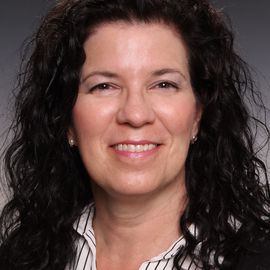
Dr. Karla Shockley, PhD, LMSW, TRCC, FSW, is a Principal Investigator and Senior Research Consultant at the Ohio Colleges of Medicine Government Resource Center, where she leads applied health services and population health research. She uses a collaborative team approach to design and execute mixed methods studies, develops survey instrumentation, oversees qualitative and quantitative analyses, and employs various dissemination methods. Her work centers on translating complex data into actionable insights that inform public health.
Dr. Amy Watson-Grace
PhD Candidate, Methodologist
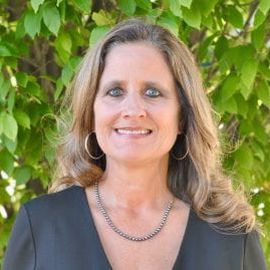
Dr. Amy Watson-Grace is a PhD candidate and occupational therapist with advanced pediatric board certification and extensive clinical and leadership experience.
Hexin Yang
PhD Candidate, Methodologist
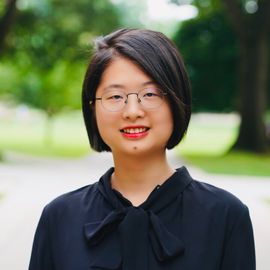
Hexin is interested in studying child and adolescent development across various contexts, particularly in school settings, using advanced statistical analyses.